








Many conservation efforts have focused on habitat loss, declining prey populations, conflicts with people, and the impacts of poorly regulated killing. But a new review paper warns that another threat is now growing fast enough to undermine those gains: the deliberate, targeted poaching of lions for their body parts.
The study, published in Conservation Letters, consolidates recent information from across the continent and argues that this form of illegal killing “represents a potentially existential threat to the species”. The study identifies a growing threat to African lions – they are increasingly being deliberately killed to feed the illegal trade in body parts. Researchers, including some from the Endangered Wildlife Trust and University of Pretoria, report that organised networks are targeting lions for claws, teeth and skins, supplying cultural and medicinal markets in Africa and Asia.
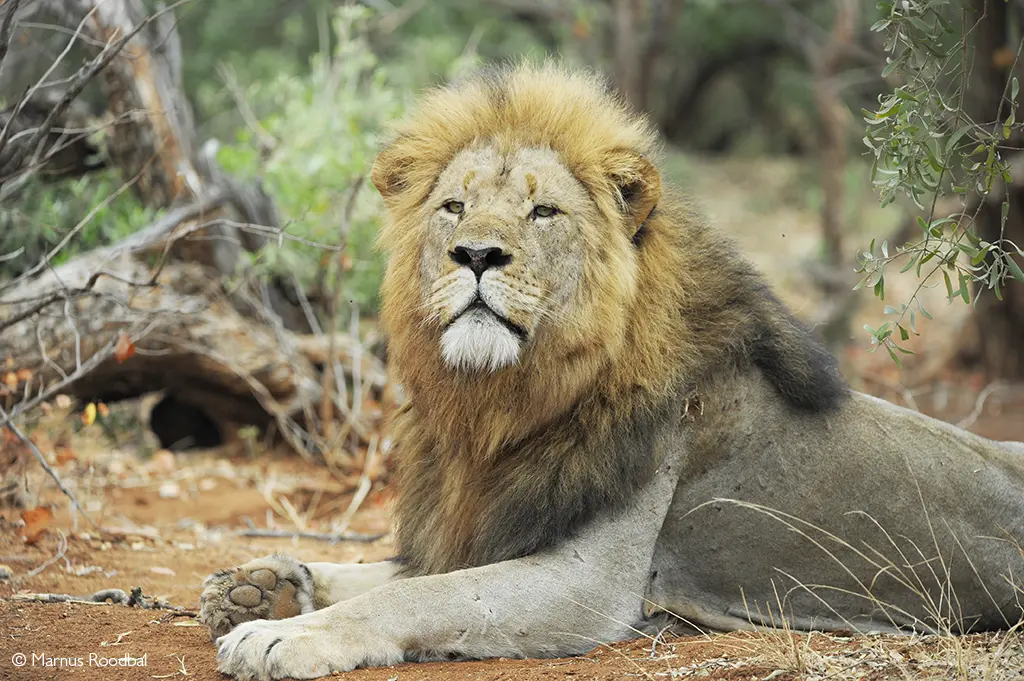
Targeted lion poaching for parts
The authors define targeted poaching as lions being intentionally killed to supply the illegal wildlife trade in products such as claws, teeth, skins and bones. This differs from “opportunistic” removal, where parts may be taken from lions that died naturally or were killed for other reasons, such as snaring aimed at bushmeat.
This distinction matters because it signals a shift from incidental losses to deliberate, market-driven killing. The study describes the threat as “poorly understood, underreported, growing, and prone to the influence of organised transnational crime”.
 Wild meat is eaten by millions, but puts billions at risk – how to manage the trade
Why lions are easy poaching targets
The paper highlights one method that makes targeted poaching especially dangerous: poisoning.
Lions are vulnerable because of their social behaviour. They feed communally and respond vigorously to bait, meaning a single poisoned carcass can kill multiple animals in one event.
The authors note incidents where giraffes were killed and used as bait to attract lions, describing this as evidence of “forethought and coordination characteristic of experienced and organised poaching networks”. Poisoning also causes “significant collateral damage”, including mass deaths of scavengers such as vultures.
This is not only a lion conservation issue. It affects broader ecosystems by removing scavengers that play essential roles in disease control and nutrient cycling.
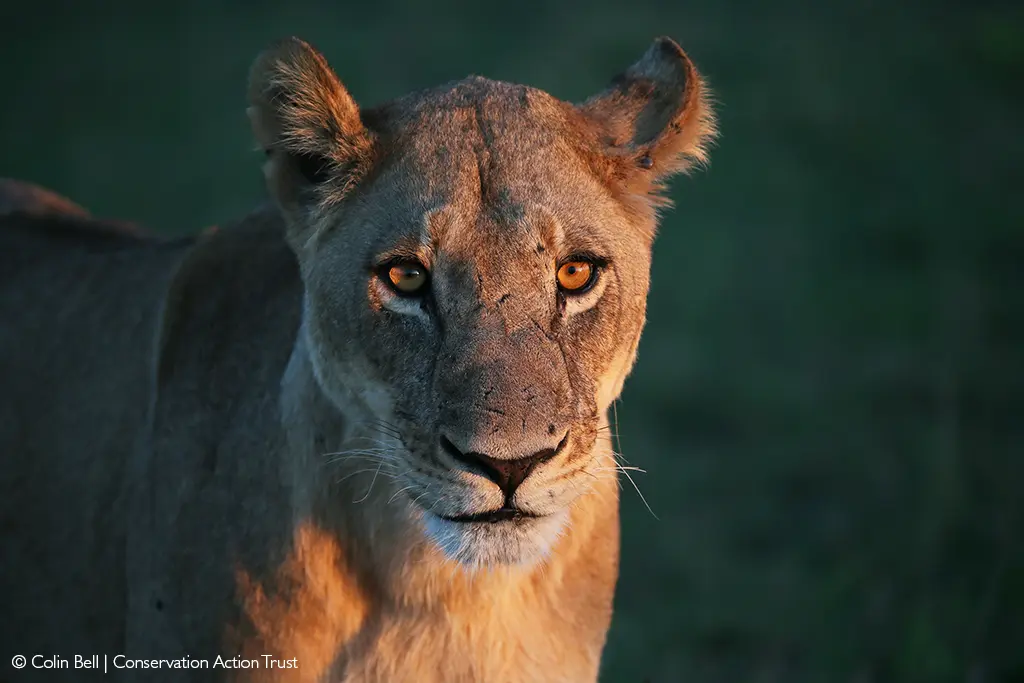
Demand driving trade
The review emphasises that demand for lion parts is “diverse, multifaceted, and highly dynamic”, with cultural, spiritual and commercial uses across both African and Asian markets.
In Africa, a pan-African review found culturally motivated use of lion body parts in at least 37 countries. The demand is described as deeply embedded in traditional belief systems and cross-border trade.
In West Africa, the study points to market surveys in Senegal that show the scale of the threat. Despite Senegal’s remaining wild lion population being just 35–45 animals, preliminary estimates suggest 32–169 lions would be needed annually to meet domestic demand.
In Southeast Asia, demand for lion parts is linked to perceived cultural-medicinal value, and the study notes that lion bones have been traded as substitutes for tiger parts when the tiger trade was restricted.
The authors also flag a critical uncertainty: “The relative importance of African versus Asian demand and how they influence one another remains a knowledge gap.”
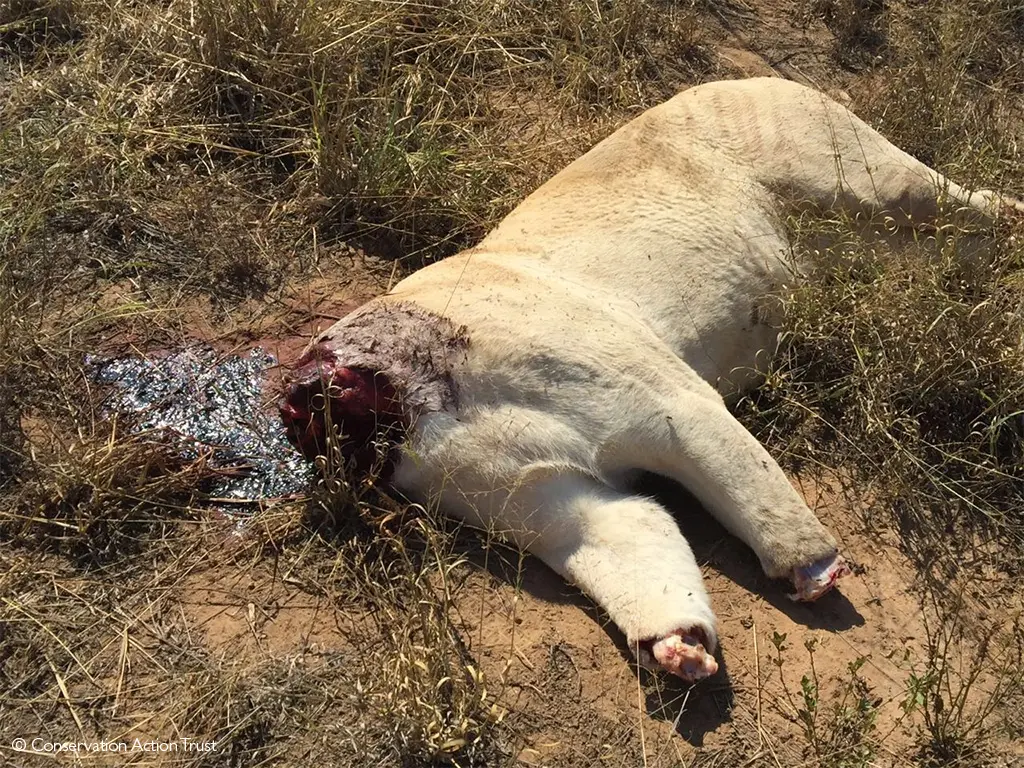
Organised crime a key risk factor in lion poaching
One of the most serious warnings in the paper is that lion parts are increasingly moving through organised, transnational supply chains.
Examples include the seizure of 17 lion skulls in Lusaka in 2021, reportedly en route from South Africa, and a 2023 seizure in Maputo of more than 300kg of lion body parts.
The study notes that trafficking may be linked to networks also involved in ivory, rhino horn and pangolin scales, creating a multi-layered criminal structure that makes detection and disruption more difficult.
This matters because organised crime changes the scale and persistence of poaching. Where opportunistic killing may be sporadic, criminal supply chains can sustain repeated pressure on lion populations.
A growing lion poaching threat
A key finding is geographic expansion.
The paper documents increasing incidents of lions being killed and their parts removed across Africa between January 2019 and September 2025, noting that this is not exhaustive but intended to show “the severity and geographic scope of the threat”.
Mozambique has been a long-standing hotspot. The authors report that between 2010 and 2023, 426 lions were recorded in human-related mortality events there, with 25% linked to deliberate poaching for body parts. They also report that known cases rose from an average of one per year (2010–2017) to seven per year (2018–2023).
More concerning is the spillover into major protected areas. In South Africa’s Kruger National Park, the study cites evidence of increased poaching in recent years, with the lion population in the northern region reported to have declined by as much as 63% over 18 years. Targeted poaching and snaring bycatch are suggested as contributing factors.
The paper also discusses cases of well-managed parks, such as Gonarezhou in Zimbabwe, arguing that even strong protected-area management may be insufficient without targeted monitoring and rapid-response systems.
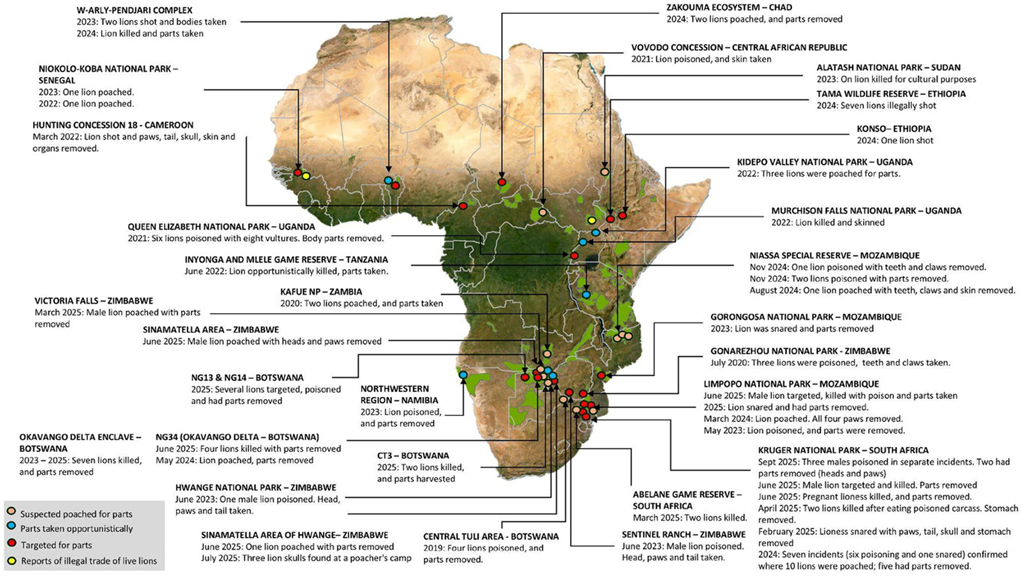
The African Lion Database
The review argues that effective responses require more substantial evidence.
A central recommendation is the systematic documentation of mortality events in a “centralised, standardised database” to detect trends and emerging hotspots. The authors identify the IUCN Cat Specialist Group’s African Lion Database as offering “substantial utility for this purpose”.
By consolidating information on mortality – including whether body parts were removed – the database supports faster, more targeted interventions. In practical terms, this kind of information helps conservationists and authorities identify where targeted poaching is emerging, how methods are changing, and what products are being sought.
A way forward
The paper calls for a coordinated response agenda across six areas: improving in situ protection, engaging communities, understanding trade dynamics, disrupting supply chains, strengthening legal frameworks, and reducing demand.
Notably, the authors argue that uncertainty should not delay action. They recommend a proactive approach “to prevent entrenchment of poaching and illicit markets and avert severe impacts on lion populations”.
Their conclusion is direct: if unchecked, targeted poaching for parts may lead to “rapid extirpation in some areas and substantial reductions in others”.