
User Rating: 5 / 5

Trophy hunting is a controversial and multifaceted subject.






User Rating: 5 / 5
Trophy hunting is a controversial and multifaceted subject.
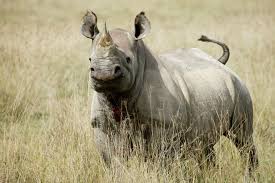

As conservationists and rangers work around the clock to protect Africa’s rhinos, scientists on the other side of the globe are attempting to unravel different aspects of the trade: including the perspectives and market preferences from actual consumers of rhino horn.
User Rating: 5 / 5
Today’s poaching crisis that faces species such as elephants, lions and rhinos has spurred renewed debate in the country over the effetiveness of wildlife farming (also known as captive breeding or ranching) as a strategy through which to reduce pressures on wild populations while continuing to satisfy consumer demand with legal, sustainably farmed alternatives.
User Rating: 5 / 5
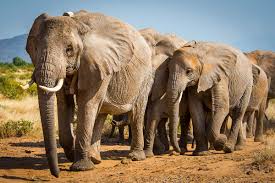
For millions of years, elephants have undertaken seasonal migrations, following the rains that nourish the foliage they eat. On the way, they refashion landscapes, fertilise the grasslands essential for countless herbivores and help sequester carbon by spreading seeds.

User Rating: 5 / 5
There is a major scientific gap of animal welfare studies focusing on captive lions housed in commercial farms in South Africa.
User Rating: 5 / 5
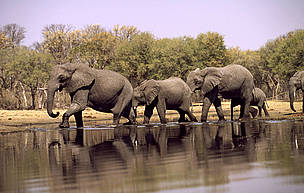
Forest elephant extinction would exacerbate climate change. That’s according to a new study in Nature Geoscience which links feeding by elephants with an increase in the amount of carbon that forests are able to store.
