
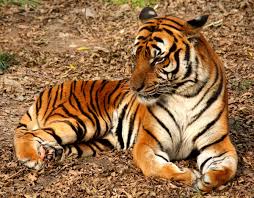
The EU is trading in dead tigers
- Hits: 1956

In a ramshackle barn somewhere in rural Vietnam, a balding chicken stumbles over a giant heap of chalky tiger bones.






In a ramshackle barn somewhere in rural Vietnam, a balding chicken stumbles over a giant heap of chalky tiger bones.
As a result of the COVID-19 pandemic there is heightened public interest in the risk factors that lead to such events.
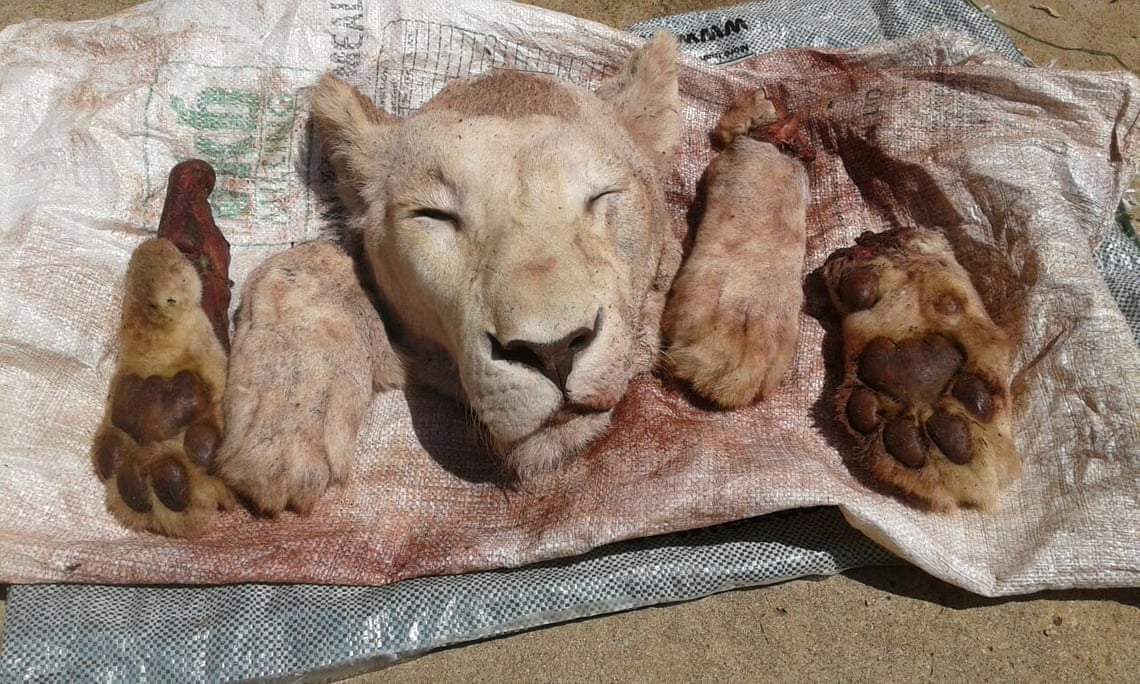
South African traders with China are illegally selling thousands of wild animals threatened with extinction and endangered, under the guise of legal exports, according to an investigation.
For more than two decades, M Khairi spent his days working as a park guide, accompanying a steady trickle of tourists keen to trek across the lush forests of western Indonesia or spot an endangered orangutan.
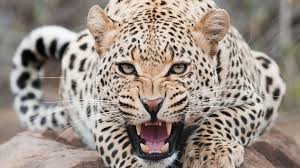
Throughout their range leopards are in rapid decline, having disappeared from North Africa, much of the Middle East and Asia. Declines have been so severe that the species is now considered vulnerable to extinction. No comprehensive estimates of the number of leopards remaining in the wild exist.
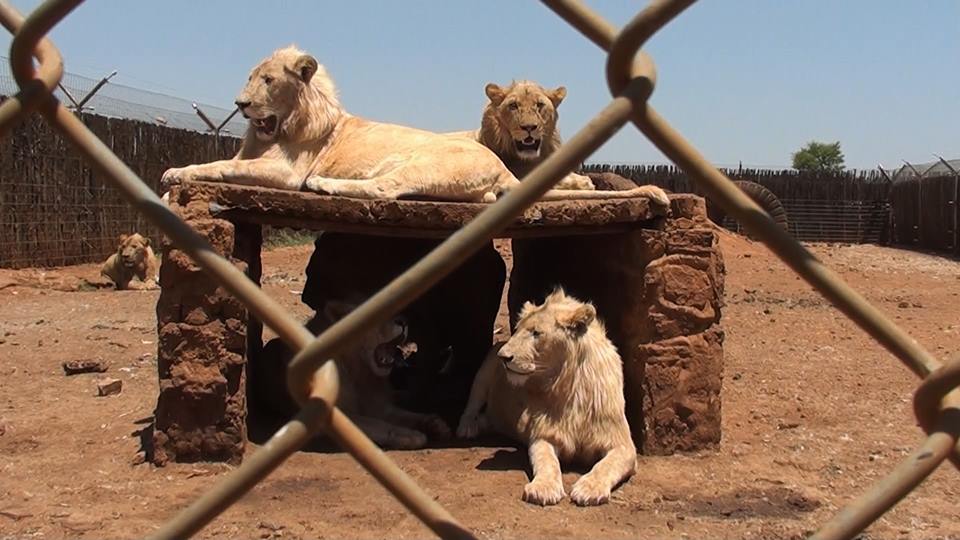
South Africa is a long-standing and respected leader when it comes to farming wild animals.
