


The global population is constantly increasing, and it presently stands at 7.7 billion people. One question that arises is, "What are these individuals going to eat?" primarily, this question is directed at the agricultural sector.
User Rating: 5 / 5


The global population is constantly increasing, and it presently stands at 7.7 billion people. One question that arises is, "What are these individuals going to eat?" primarily, this question is directed at the agricultural sector.
User Rating: 5 / 5


As the global population soars towards 10 billion by 2050 and the effects of climate change intensify, the agricultural industry faces an unprecedented challenge: to meet the rising demand for food (a surge of 70%) while ensuring sustainability and minimising environmental impact.


It's a week of tech news whether from CES in Las Vegas or across the ag industry. This week venture capital firm S2G Ventures revealed 10 trends shaping the future of food and agtech in 2022.


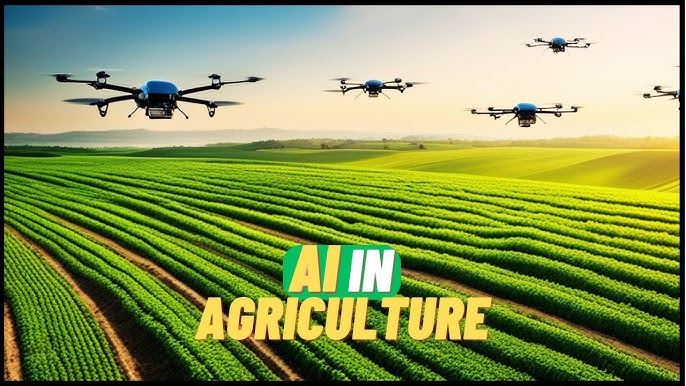
Drones can do a lot when it comes to food production – but has their full potential actually been realised on the farm?


Australian Research Organisation CSIRO has developed a sprayable biodegradable polymer membrane that can help farmers produce more, while using less water, nutrients and agrochemicals.
User Rating: 5 / 5


Do you know how people and organizations are using AI? If you can only think of a couple of examples, you’re not alone. In one multiple-choice survey, less than a third of U.S. adults could identify all the everyday examples of AI, like music recommendations.
But people are using AI for far more than everyday conveniences. From diagnosing diseases to improving the food supply, AI is making a positive impact in ways that may surprise you. In this graphic, we partnered with The App Association to highlight three examples of AI being used for good.
Trained on anonymized patient data, AI was able to increase the early detection of breast cancer by up to 13%. The AI tool, named Mia, analyzed mammograms and was able to spot even extremely small tumors. When people and AI catch cancer early, patients may need less aggressive treatment and have higher survival rates.
To ensure a safe rollout of the tool, the researchers implemented it over three phases and a medical professional also reviewed every mammogram.
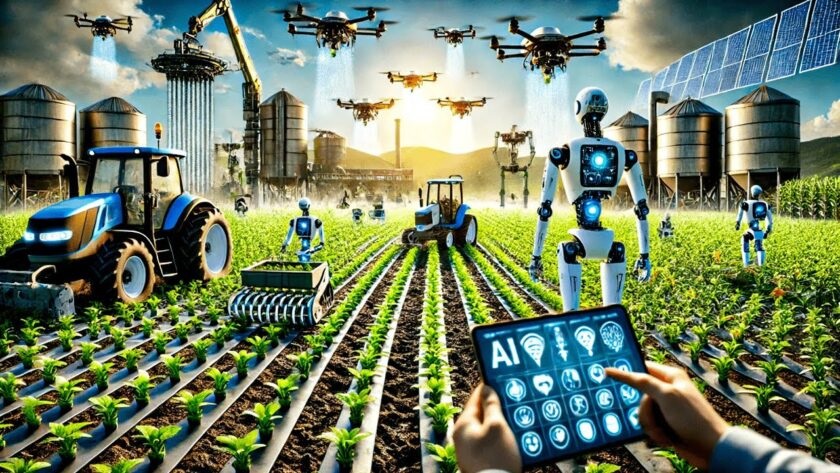
5 Key Trends in Artificial Intelligence That Will Revolutionize Agriculture in 2025
With pest infestations and a growing population to feed, farmers face many challenges. One program in South India aimed to help with AI tools. The tools helped in various areas:
In a span of just 18 months, farmers saw a 21% increase in plant growth per acre. They were also able to reduce pesticide and fertilizer usage by 9% and 5% respectively.
Conservationists use camera traps to monitor wildlife, but manually reviewing millions of images is time consuming. Luckily, an AI tool called Wildlife Insights can process 18,000 photos per hour and identify species. Assuming it would take people 2 seconds to review each photo, AI is 90% faster.
This quick analysis helps conservationists make faster, more effective decisions. For instance, after the Australia wildfires, conservationists set up artificial nest boxes for gliders whose tree homes had been burned. Using Wildlife Insights, the conservationists could see that the gliders were using every single one of the nest boxes, and confidently decided to scale up their efforts.
AI is a powerful tool that is advancing quickly. People can focus on making sure that ethical concerns like privacy are addressed, and that the AI tools are tested and transparent.
The above examples of AI show that when people use it responsibly, AI can help tackle some of the world’s biggest challenges.

![]()
![]()