
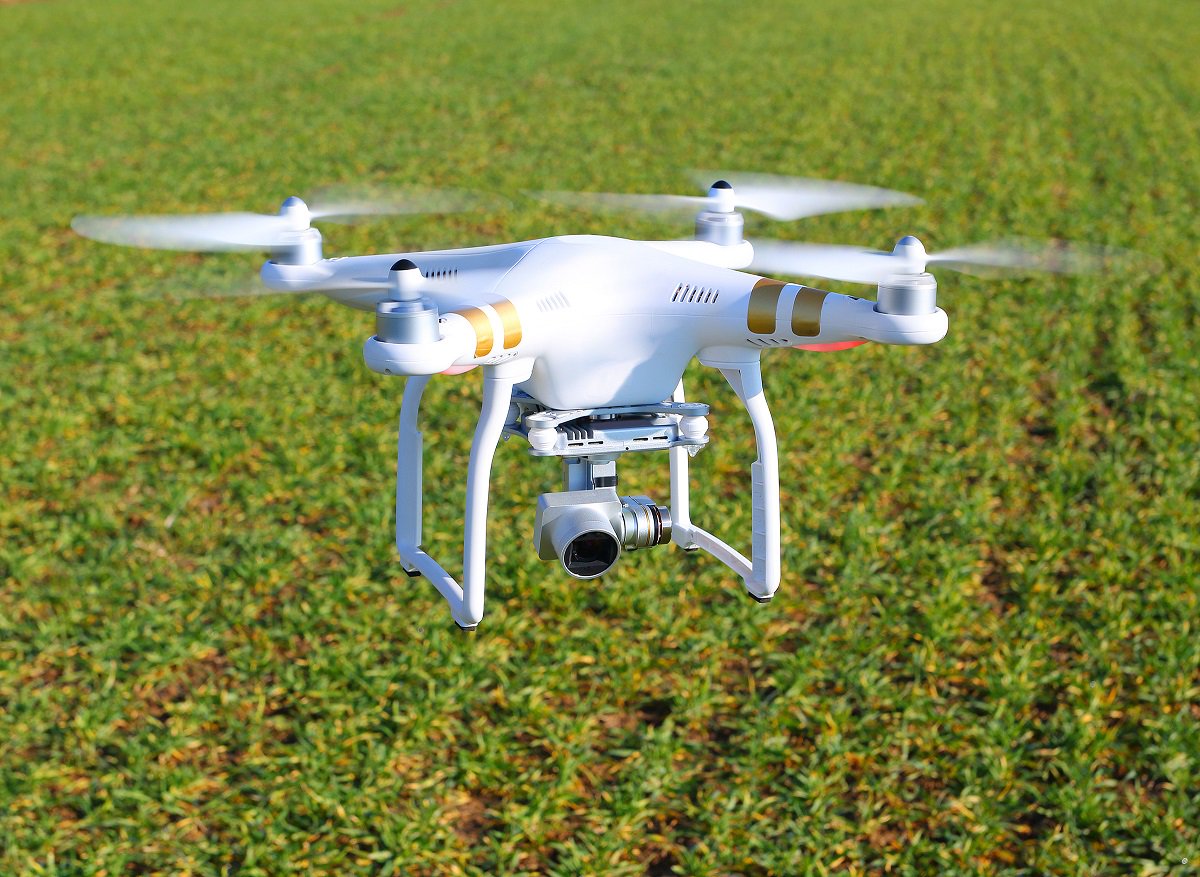

Testing shows drones can use autonomous technology to dodge other air traffic, which means they could safely operate beyond the line of sight.








Testing shows drones can use autonomous technology to dodge other air traffic, which means they could safely operate beyond the line of sight.
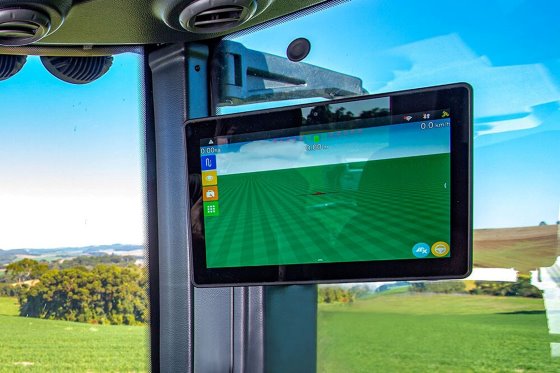
Hexagon equips its new AgrOn Ti10 display with 10.1-inch HD display and high-performance processor.

Companies in the South African fruit industry believe that the creation of the new Post-Harvest Physiology Research Chair in Deciduous Fruit at Stellenbosch University will substantially improve knowhow about the handling of deciduous fruit, and ultimately be to the benefit of both producers and consumers.
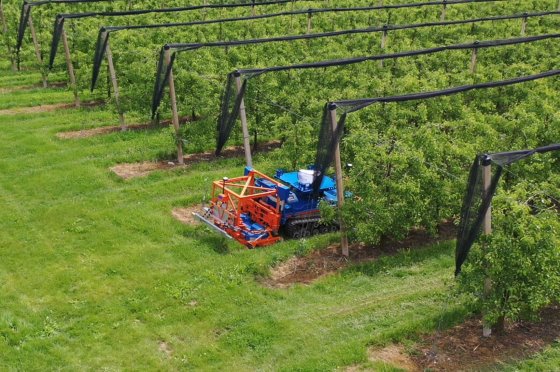
Slopehelper is an agricultural autonomous electrical robot that covers the complete annual cycle of operations in vineyards and orchards.
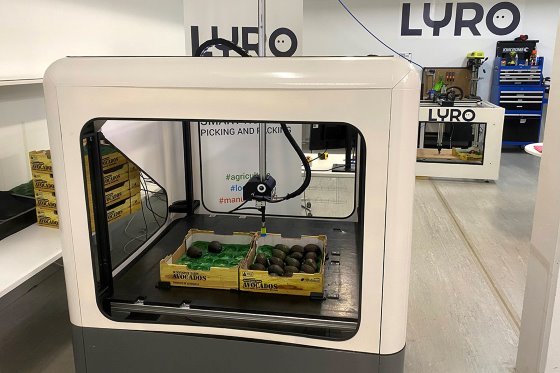
A new plug & play packing robot for fresh produce can help growers and packing houses solve some of their problems with the widespread labour shortage in Australian agriculture.

Hotly anticipated fifth generation mobile telecoms technology, known as 5G, is expected to be a step-change in mobile networking - promising exponentially faster download speeds and data-sharing in real time.
