
User Rating: 5 / 5

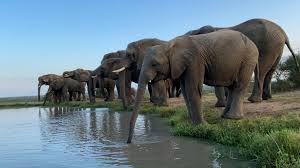
African forest elephants roam the dense rainforests of West and Central Africa where they subsist largely on a diet of fruit. They shape forests by dispersing fruit and seeds, browsing, and creating an extensive trail network.







User Rating: 5 / 5
African forest elephants roam the dense rainforests of West and Central Africa where they subsist largely on a diet of fruit. They shape forests by dispersing fruit and seeds, browsing, and creating an extensive trail network.
User Rating: 5 / 5
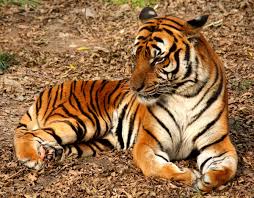
There’s something deeply distressing about the most powerful and beautiful cat in the world staring vacantly from behind bars or a diamond mesh fence. A farmed tiger is really not a tiger at all, but an assembly of marketable parts awaiting export. In South Africa, on industrial-scale farms, hundreds can expect that fate.
User Rating: 5 / 5
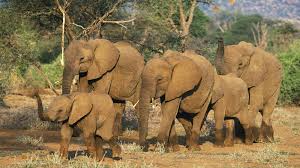
African forest elephants fight climate change by contributing in surprising ways to natural carbon capture.

“Elephant damage!” is now a common phrase in reaction to the sight of fallen trees, and landscapes bereft of trees. The apparent loss of large savanna trees such as marula and knobthorn in Africa’s protected areas is often blamed on elephants, and this perceived direct link between elephants and treefall drives many conservation authorities and strategies to focus on managing elephant numbers to ‘save’ trees.
User Rating: 5 / 5
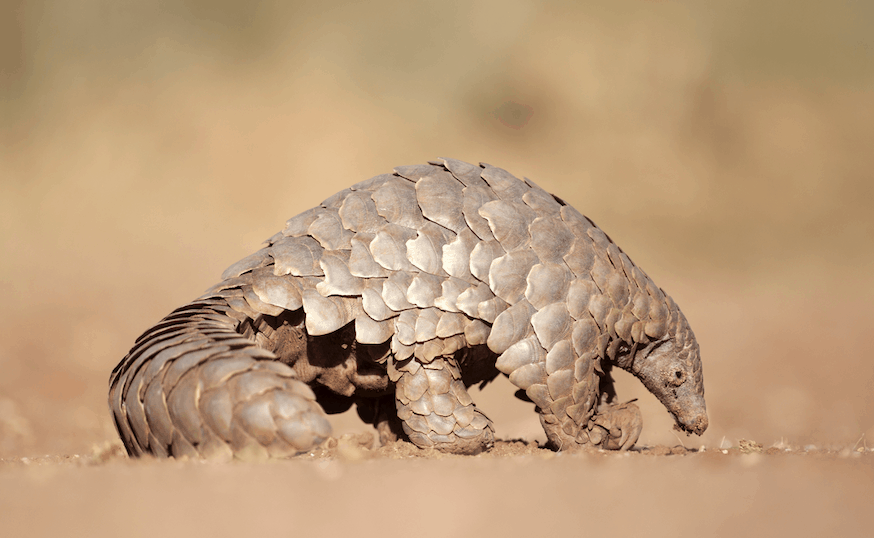
Apangolin’s defence mechanism, honed over millions of years, is a remarkable example of nature’s ingenuity. When threatened, the “scaly anteater” curls into a compact ball, its tough scales shielding its vulnerable belly from predators’ sharp teeth.
User Rating: 5 / 5
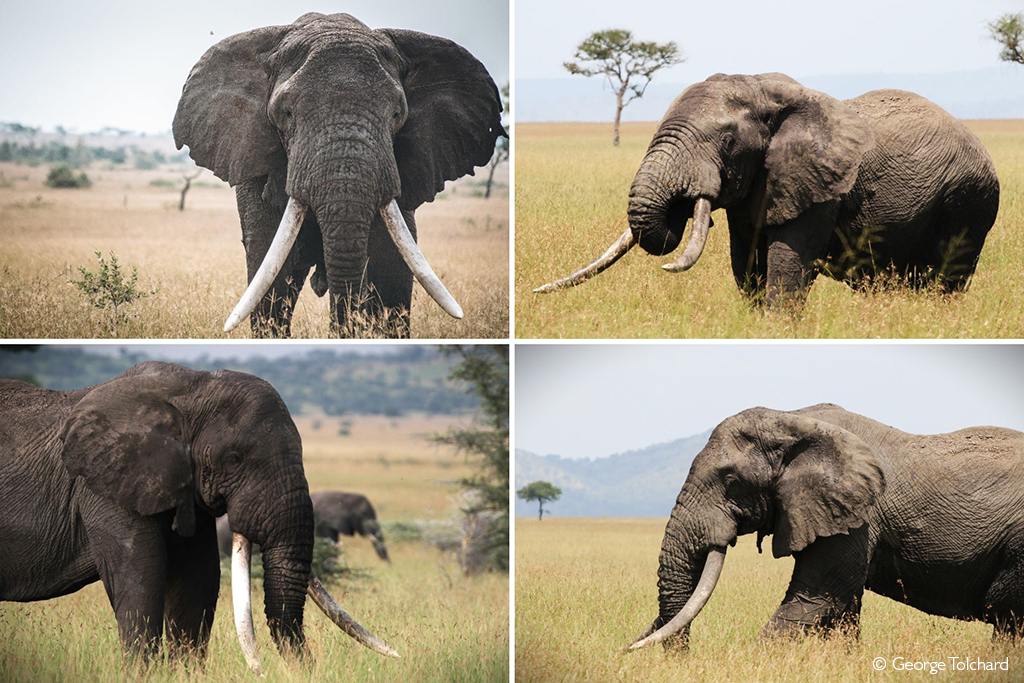
A super tusker elephant has reportedly been trophy hunted in the Maswa Game Reserve of Tanzania, which shares an unfenced boundary with Serengeti National Park. Unconfirmed reports from the ground are rife that the elephant may be popular cross-border elephant known by local tourism lodge owners as Zito.
