
User Rating: 5 / 5

How did wildlife traffickers continue their trade?






User Rating: 5 / 5
How did wildlife traffickers continue their trade?

User Rating: 5 / 5
In South Africa, an insatiable desire for lions — whether to view the big cats in captivity, interact with cubs, hunt them for sport, or trade in their body parts — has created an explosion in their captive populations.
User Rating: 5 / 5
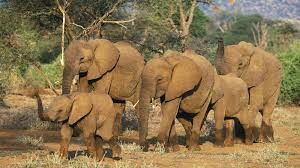
A report released by the United Nations Convention on the Conservation of Migratory Species of Wild Animals has shown a drastic decline in the world’s travelling animals. The conservation status of many migratory species faces dire prospects, with those occurring in Africa facing the sharpest declines.
User Rating: 5 / 5
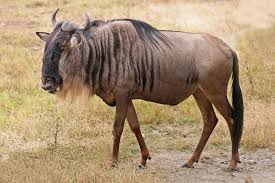
Wildebeest – large African antelopes with distinctively curved horns – are famous for their great migrations on the grasslands of eastern and southern Africa.
User Rating: 5 / 5
South Africa’s Minister of Forestry, Fisheries and the Environment, Barbara Creecy, has today confirmed Cabinet has approved the findings and recommendations of a new Ministerial report that supports calls to end the commercial captive lion industry.
User Rating: 5 / 5
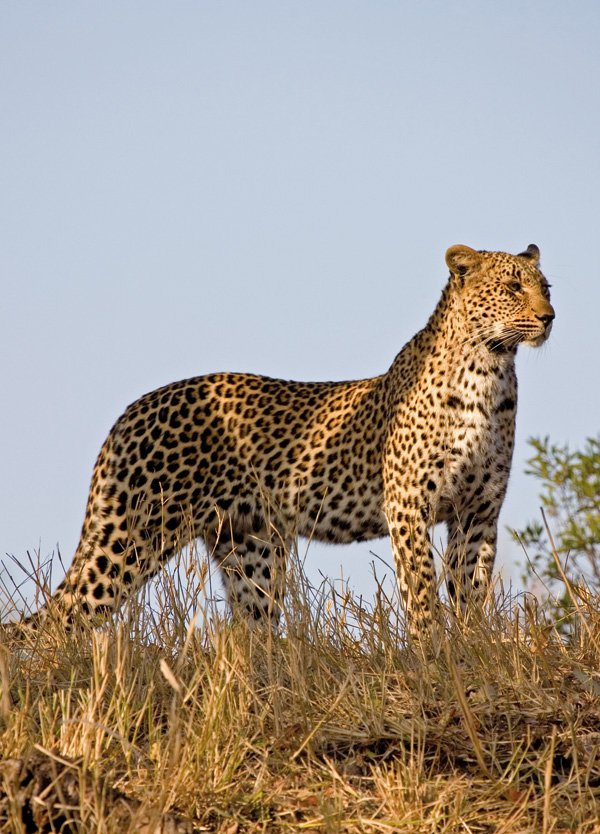
Breeding wild animals for profit is cruel and poses a threat to humans, according to a report by World Animal Protection. But what’s startling is the NGO’s estimate of the numbers — about 5.5 billion animals from around 487 wild species worldwide.
