
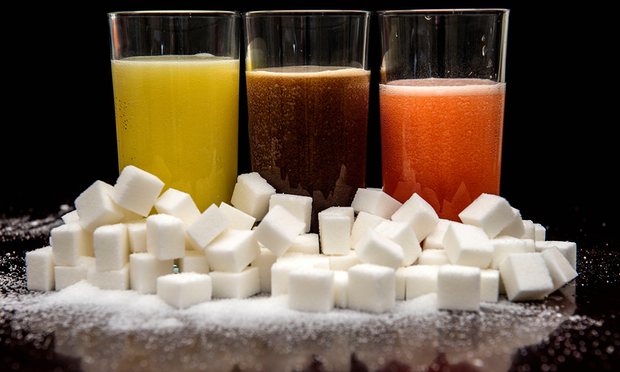

Three years ago South Africa introduced Africa’s first major tax on sugar-sweetened beverages based on grams of sugar. The tax now stands at about 11% of the price per litre.








Three years ago South Africa introduced Africa’s first major tax on sugar-sweetened beverages based on grams of sugar. The tax now stands at about 11% of the price per litre.

Rising sea levels, wildfire seasons that are the worst on record, parched cropland—in spite of all the evidence that human civilization is losing its game of chicken with the climate, no one is flinching.

“Waste not, want not.” This old saying rings so true today, as global leaders and local communities alike increasingly call for a fix for the so-called “throwaway culture.” But beyond individuals and households, waste also represents a broader challenge that affects human health and livelihoods, the environment, and prosperity.

Some of the main challenges facing farmers that are reported on in the issue of Farmer’s Weekly I read this morning is the poor-quality of roads, especially in the rural areas, the affordability of farm labour, and the scourge of stock theft.

The first global-scale assessment of the role ecosystems play in providing sanitation finds that nature provides at least 18% of sanitation services in 48 cities worldwide, according to researchers in the United Kingdom and India.

It’s well known that obesity is developing into a growing global health problem. In Africa alone, the number of overweight children under five has increased by nearly 50% since 2000. Obesity is a risk factor in diseases such as cancers, heart disease and diabetes.

