



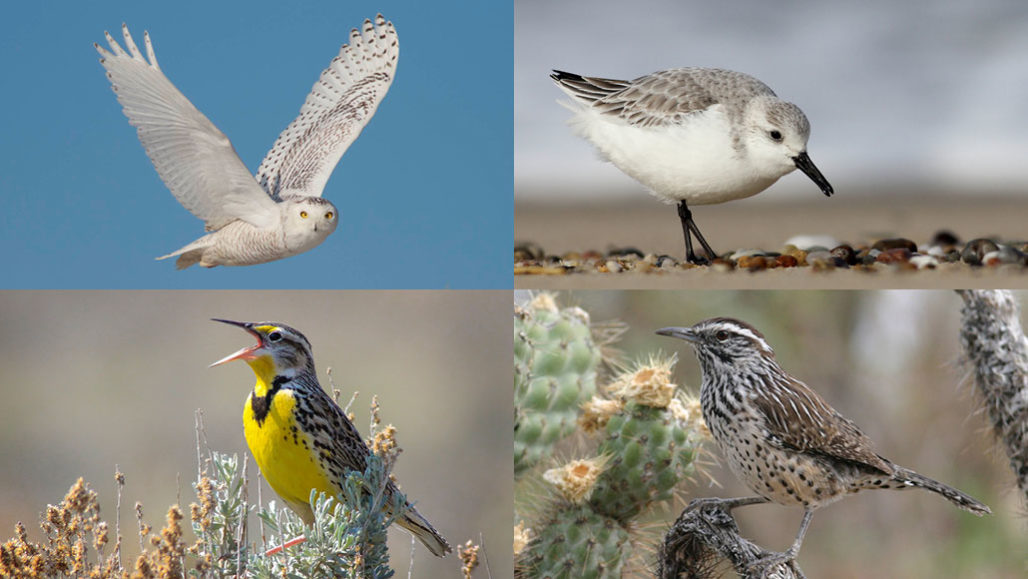
Global trade in wild birds is poorly monitored – the risks to wildlife, ecosystems and human health
- Hits: 1681
Birds have, for centuries, been captured from the wild to be kept in cages – valued for their looks, songs and ability to imitate sounds.
User Rating: 5 / 5


Birds have, for centuries, been captured from the wild to be kept in cages – valued for their looks, songs and ability to imitate sounds.
User Rating: 5 / 5


Global food commodity prices rose in March 2026 for the second consecutive month, with cereals reflecting early signs of stress despite an overall comfortable supply situation. According to the Food and Agriculture Organization (FAO), the FAO Food Price Index averaged 128.5 points in March, up 2.4 percent from February and 1.0 percent above its level a year ago.
User Rating: 5 / 5


Honey production in the United States is at an all-time low. In the March 13 Honey report, the US Department of Agriculture said that US honey production in 2025 totaled 116 million lbs, down 14% from 2024 and the lowest amount the United States has ever produced in one year since records were started in 1939. That’s a concern because, unlike other sweeteners, consumer demand for honey is on the rise.
User Rating: 5 / 5


Insects make up to 90% of all animal species on the planet, and most of them can be found in the tropics, the regions around the equator. Yet we still know surprisingly little about how these species will cope with rising temperatures driven by climate change.
User Rating: 5 / 5


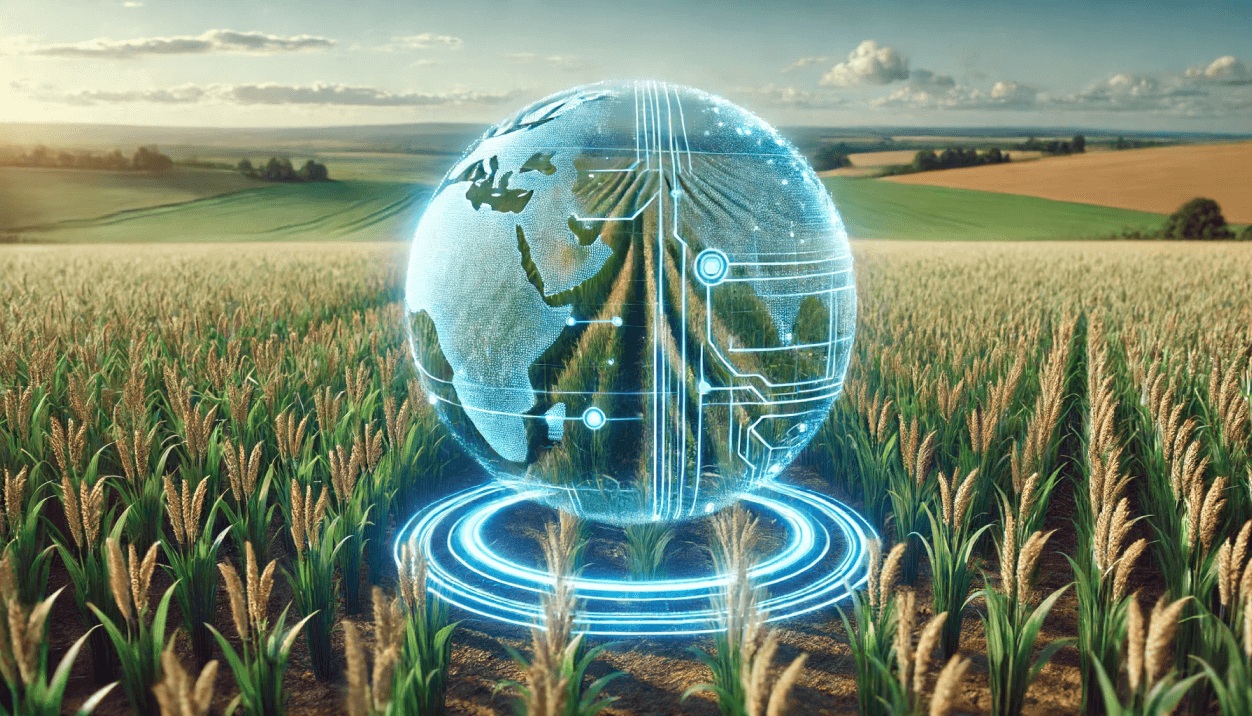
To achieve sustainable nutrition and global food security we must evolve our current agri-food system into one that is more resilient, productive and climate-positive
User Rating: 5 / 5


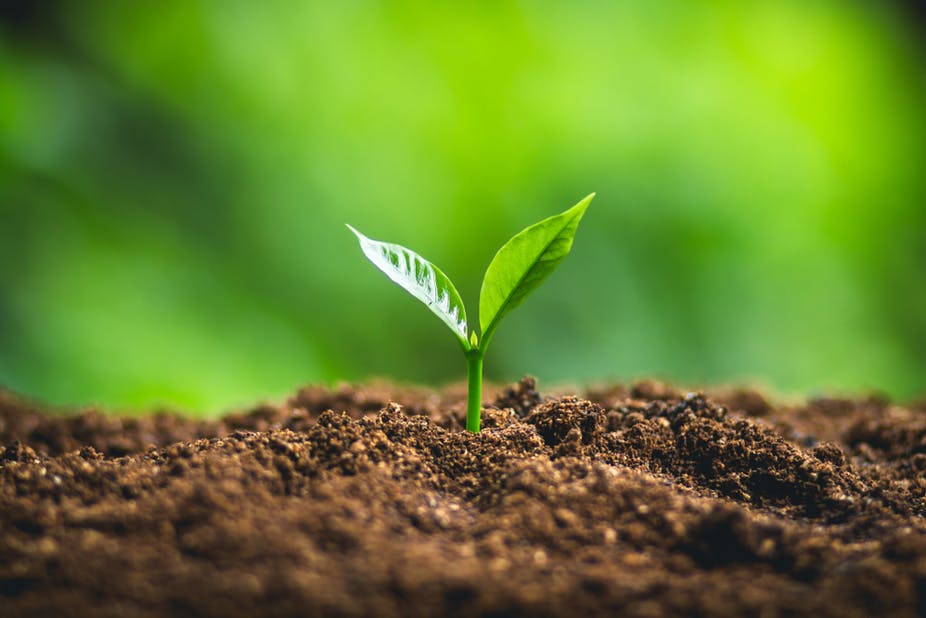
When I ask people if they have ever eaten soil before, they tend to give me a strange look. But geophagy – the deliberate ingestion of any kind of soil – is a practice that archaeological evidence from Kalambo Falls in Zambia suggests has been part of human history for at least 2 million years.
![]()
![]()