
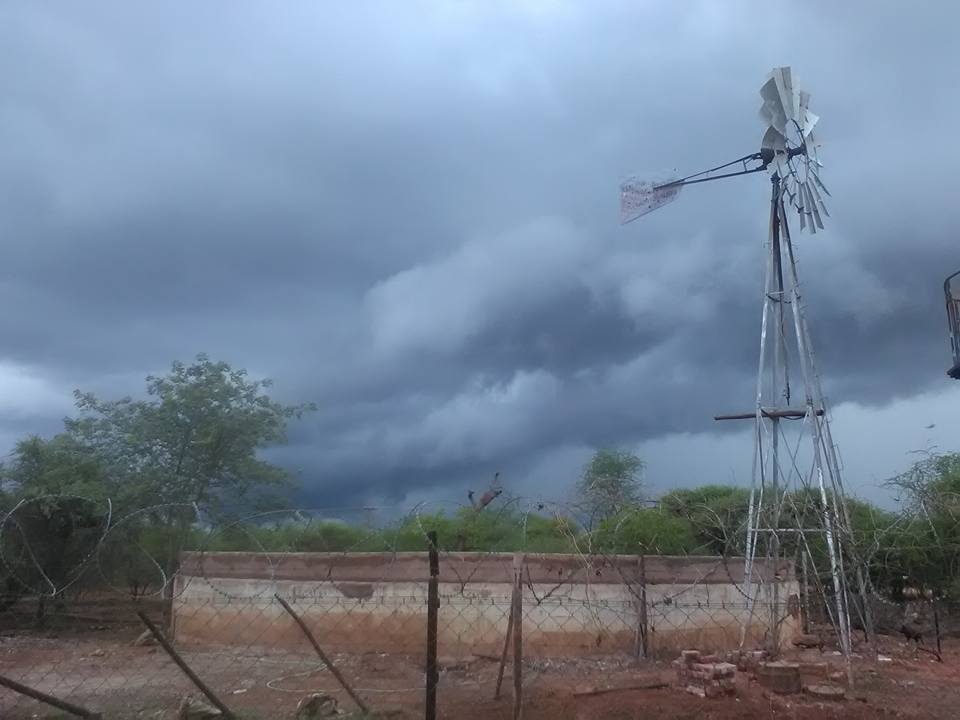

THE rains that fell in the past few weeks, albeit destructive in some cases, have lifted the doom around the agricultural sector across several countries in the Southern African region.







THE rains that fell in the past few weeks, albeit destructive in some cases, have lifted the doom around the agricultural sector across several countries in the Southern African region.

If there is one thing that stood out for me in the South African agricultural markets yesterday, it was the reports of maize exports to Zimbabwe.
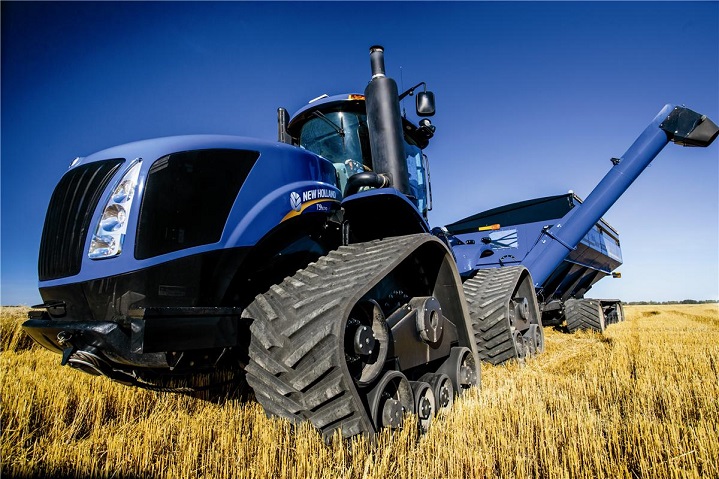
Farmers and rural communities have a key role in anticipating and responding to the stunning protean nature of the global economy, society and the environment in the 21st Century; indeed, in a similar way to what has always been their pivotal role in moments of fundamental transformation throughout our history -
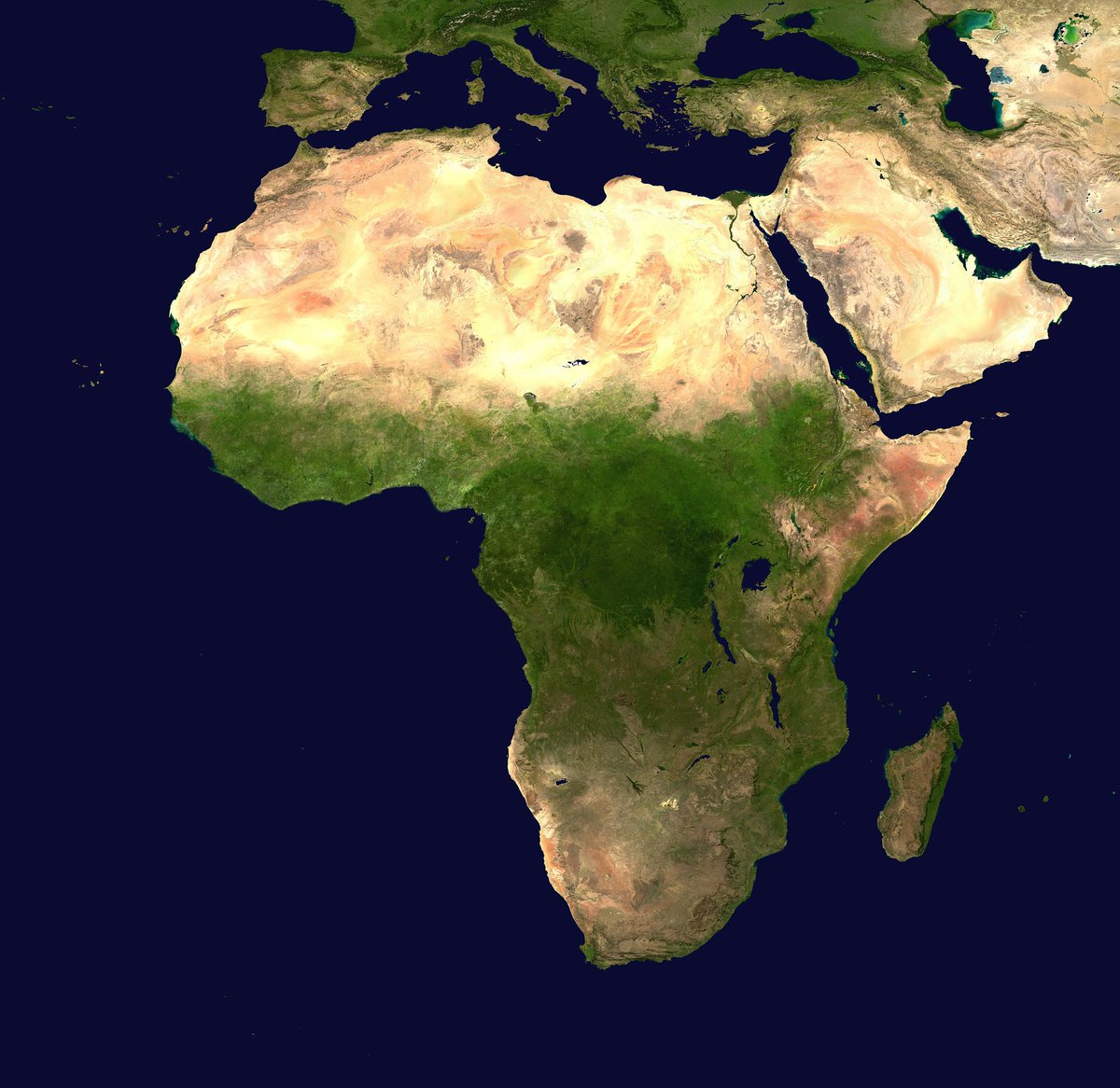
Africans need to reflect on the advice passed down the generations by Dakota Indians: when you discover you are riding a dead horse, the best strategy is to dismount.
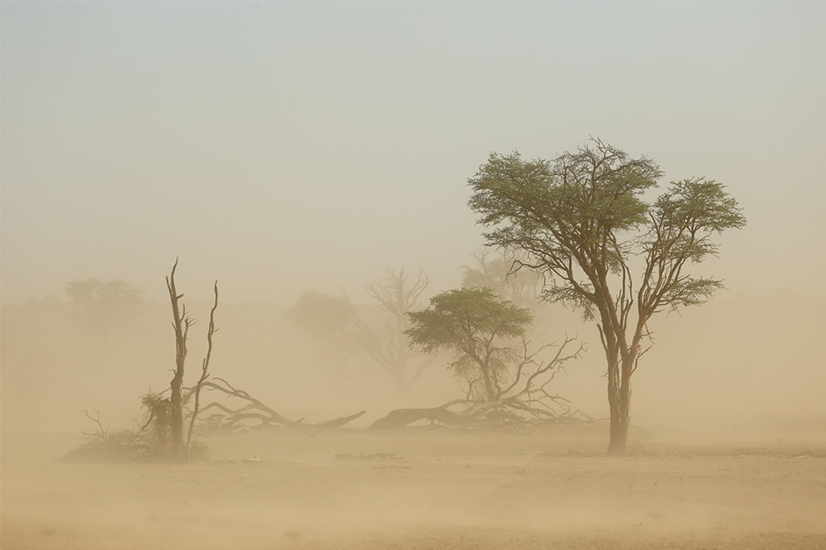
Consecutive years of drought, flooding and economic decay have left a record 45 million people in southern Africa facing severe food shortages, aid agencies have said.
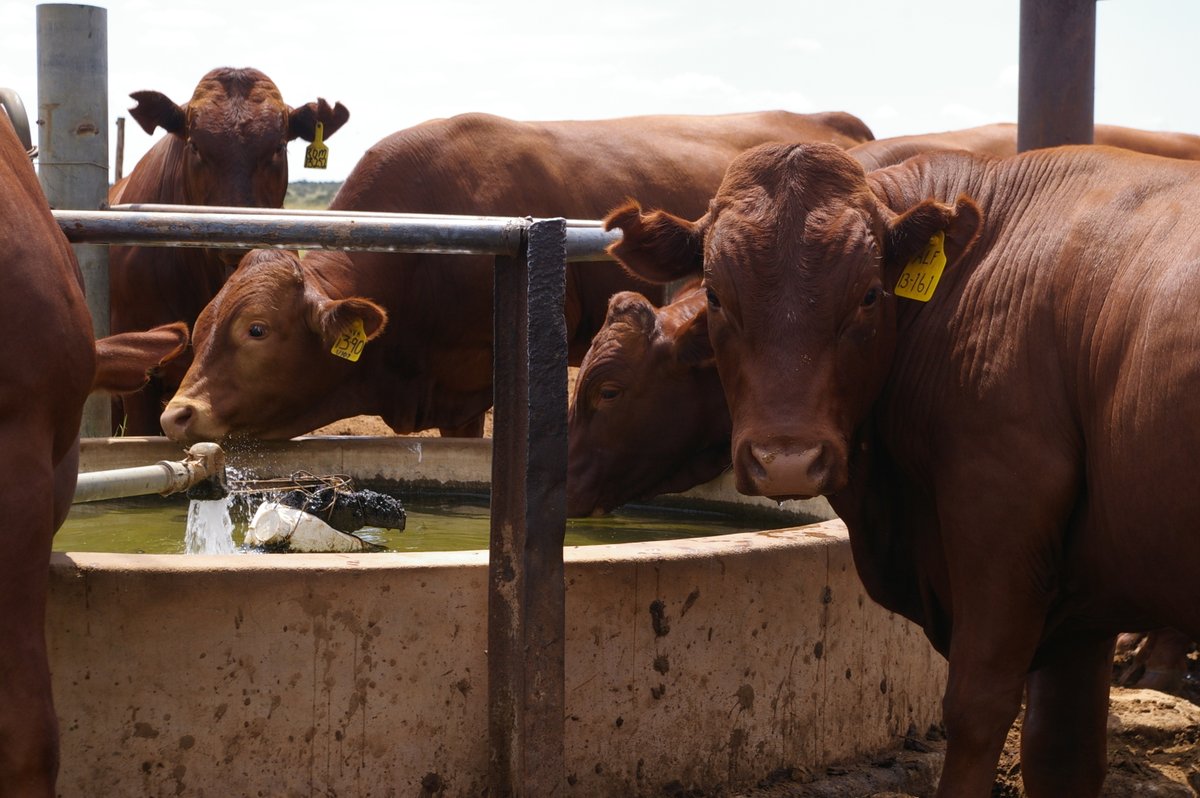
The annual Alltech Global Feed Survey, released on Jan. 27, estimates that international feed tonnage decreased by 1.07% to 1.126 billion tonnes of feed produced in 2019, due largely to African swine fever (ASF) and the decline of pig feed in the Asia-Pacific region.
