


It’s a nightmare scenario for a cocoa farmer: walking through your plantation you spot some red-veined leaves. Maybe it’s a big lump on one of the branches.








It’s a nightmare scenario for a cocoa farmer: walking through your plantation you spot some red-veined leaves. Maybe it’s a big lump on one of the branches.

Europe’s meat consumption has dropped by 20 percent in the space of two to three months, according to New Zealand red meat sector representative Jeff Grant.

More than 50 African countries took part in the first China-Africa Economic and Trade Expo in China in June, hoping to tap into the massive Chinese market.

Africa realised revenue of 127 million euros along the agriculture value chain last year, despite the availability of a market valued at 2.3 billion euro, the Digitisation of African Agriculture Report (2018-2019) has said.
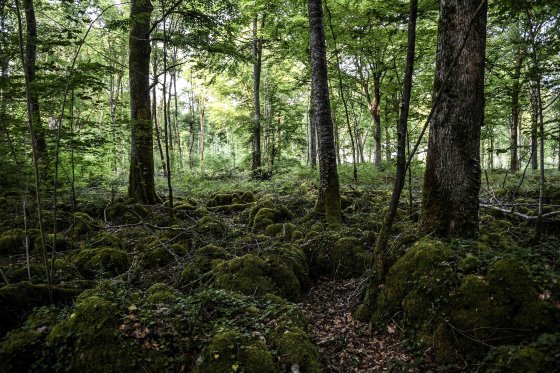
Forests in South China have been increasingly replaced by monoculture ecalyptus plantations grown for wood fiber for the pulp and paper industry. Even forests under official protection haven’t been spared. Xidamingshan Forest Reserve is one of these, losing so much of its native forest over the past decade that it was delisted by the World Database of Protected Areas in 2018.

The Bayer Foundation today launched its new EUR 20 million Social Innovation ecosystem fund by awarding EUR 3 million to four pioneering social innovators – myAgro, MercyCorps, Path and Living Goods. The fund aims to scale up technology and entrepreneurial solutions that empower African smallholder farmers to lift themselves out of poverty.
