


As the Expropriation Bill comes ever closer to being signed into law, the ‘land debate’ has come down to earth, descending from the heights of political theory to the realm of practicality.








As the Expropriation Bill comes ever closer to being signed into law, the ‘land debate’ has come down to earth, descending from the heights of political theory to the realm of practicality.

Last month, a former Zimbabwean cabinet minister was arrested for illegally selling parcels of state land.

This weekend, I read on the making of the interim Constitution and the multi-party negotiations in the early 1990s. Keeping a close look at the current amendment process, I have learned that making a Constitution is a messy process.
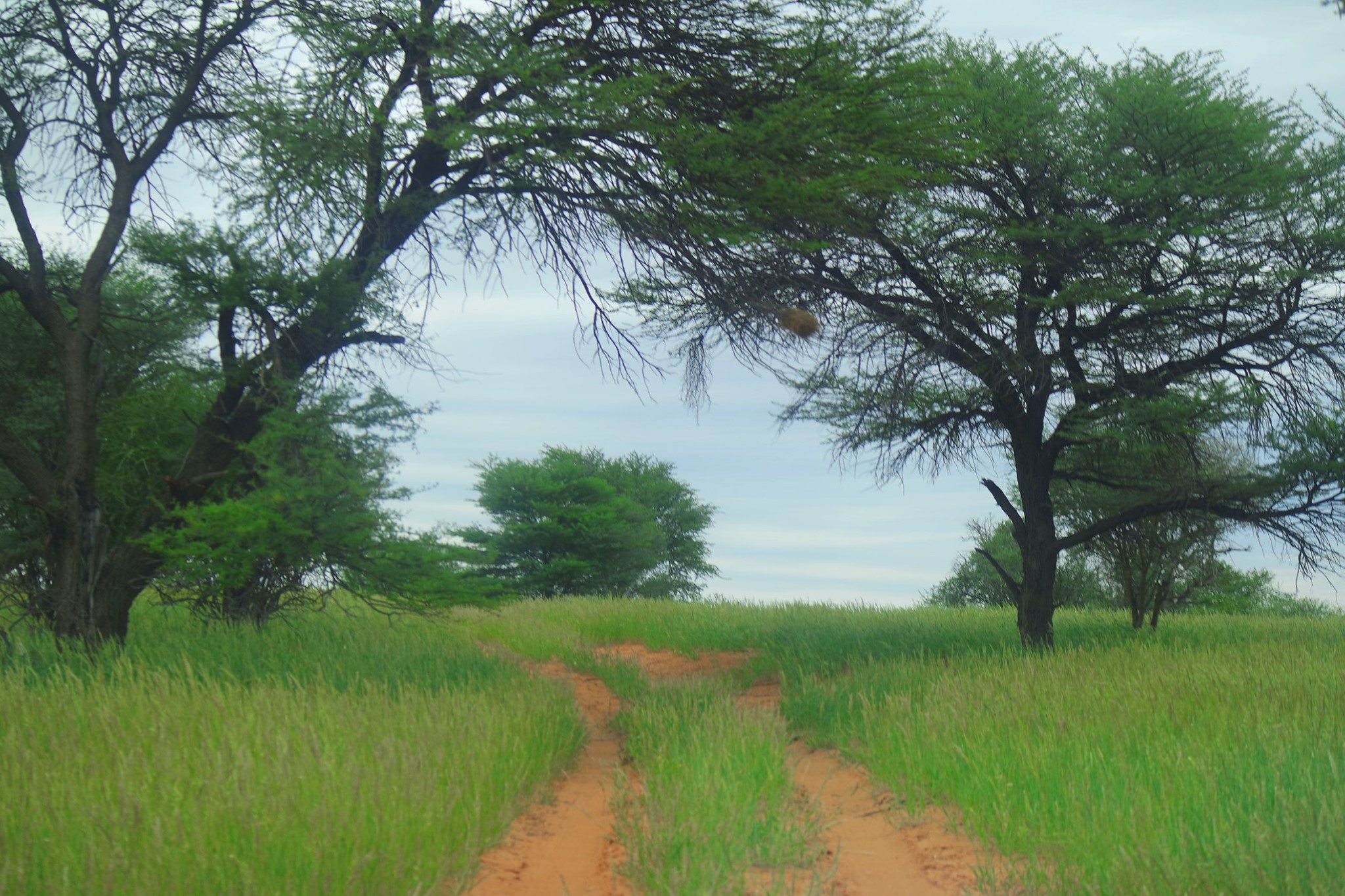
The southern Kalahari is often considered too arid to be important for human evolution.
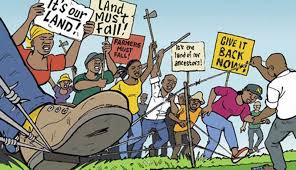
Greater certainty on the content of the imminent change to the wording of Section 25 of the Constitution to give explicit meaning to the state’s power to expropriate property without compensation has emerged after a week of often heated debate and input in parliament.

According to the prevailing official narrative, little if anything is more important than ‘the land question’.
