


(As introduced in the National Assembly (proposed section 76); explanatory summary of Bill and prior notice of its introduction published in Government Gazette No. 43798 of 9 October 2020)) (The English text is the offıcial text of the Bill).








(As introduced in the National Assembly (proposed section 76); explanatory summary of Bill and prior notice of its introduction published in Government Gazette No. 43798 of 9 October 2020)) (The English text is the offıcial text of the Bill).
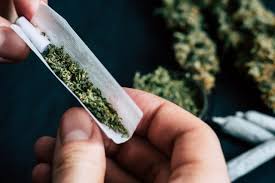
South African cannabis policy is currently at a crossroads. In 2018, the Constitutional Court effectively decriminalised private cannabis use. Since then, the government has continued to grapple with how to regulate this plant and its products, locally called ‘dagga’.
The Covid-19 pandemic is teaching us all some very important lessons. In particular, it is reminding us that our health, our economy and our way of life are built on a fragile foundation that is far too often taken for granted.
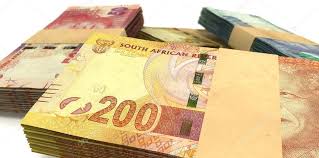
There has been much hype that South Africa could follow Zambia and ‘fall off the fiscal cliff’ or renege on its sovereign debt. In this regard, it is helpful, and perhaps comforting, to note that only about 10% of the government’s current issued bonds are denominated in foreign currency.

Colonialism brought large-scale farming to Africa, promising modernisation and jobs – but often dispossessing people and exploiting workers. Now, after several decades of independence, and with investor interest growing, African governments are once again promoting large plantations and estates. But the new corporate interest in African agriculture has been criticised as a “land grab(link is external)”.

Last Friday both Fitch Ratings and Moody’s Investor Services downgraded South Africa’s sovereign risk rating by a further notch each, pushing the country yet further into junk status. South Africa is now at ‘its lowest credit rating levels…since 1994’, said the Treasury in its reaction.
