Africa has been exporting most of its farm produce raw, and experts say that by exporting raw materials, the continent is exporting jobs as well as money which could be saved to improve the welfare of its people.








Africa has been exporting most of its farm produce raw, and experts say that by exporting raw materials, the continent is exporting jobs as well as money which could be saved to improve the welfare of its people.
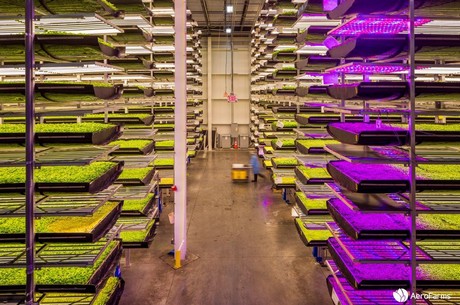
In an industrial park built off a highway in the arid land between Abu Dhabi and Dubai, a sprawling new indoor farm will soon grow tomatoes under LED lights in a climate-controlled warehouse near a plastic production facility and other factories.
Millions of family farmers across Africa are facing economic devastation as COVID-19 pandemic disrupts exports and global food supply chains. This is according to the Impact of Coronavirus on Africa's Agriculture April 2020 report released by Selina Wamucii that gives a most-recent and ground-up perspective on how the pandemic is affecting African farmers.

Viruses are little more than parasitic fragments of RNA or DNA. Despite this, they are astonishingly abundant in number and genetic diversity. We don’t know how many virus species there are, but there could be trillions.
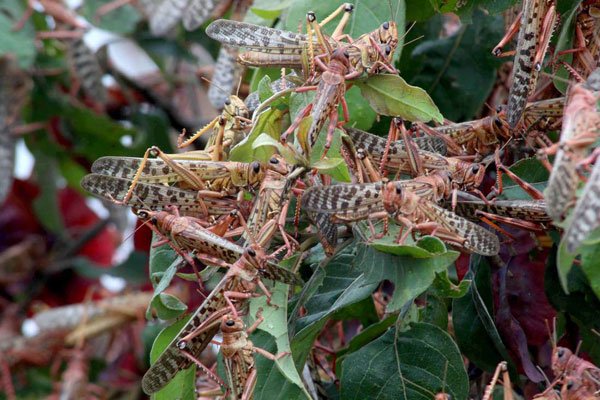
A locust plague up to 20 times larger than a wave two months earlier is threatening to devastate parts of East Africa.