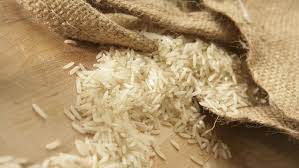



The world's top ten crops - barley, cassava, maize, oil palm, rapeseed, rice, sorghum, soya bean, sugarcane and wheat - supply a combined 83% of all calories produced on cropland.


The world's top ten crops - barley, cassava, maize, oil palm, rapeseed, rice, sorghum, soya bean, sugarcane and wheat - supply a combined 83% of all calories produced on cropland.


The early rains have failed this year amidst a multi-year drought in Mozambique, Zimbabwe and Zambia, leaving the countries at risk of a major food crisis. While the region has a track record of similar weather conditions over the past 140 years, is it possible that this looming disaster could be ascribed – at least in part – to climate change?


The COVID-19 outbreak has had profound impacts on everyday life and caused great concern about what lies ahead. The farm and food sectors have already been strongly affected and there is much more to come.


Demand for oilseeds in China are expected to rise in 2020-21 as the country’s hog and sow herds begin to recover from the impact of African swine fever, according to a March 19 Global Agricultural Information Network report from the US Department of Agriculture (USDA).


Honeybees are under threat globally. These important pollinators are affected by issues of nutrition, habitat loss, pesticides, a changing climate, pathogens and an economic system that lacks ecological accountability.


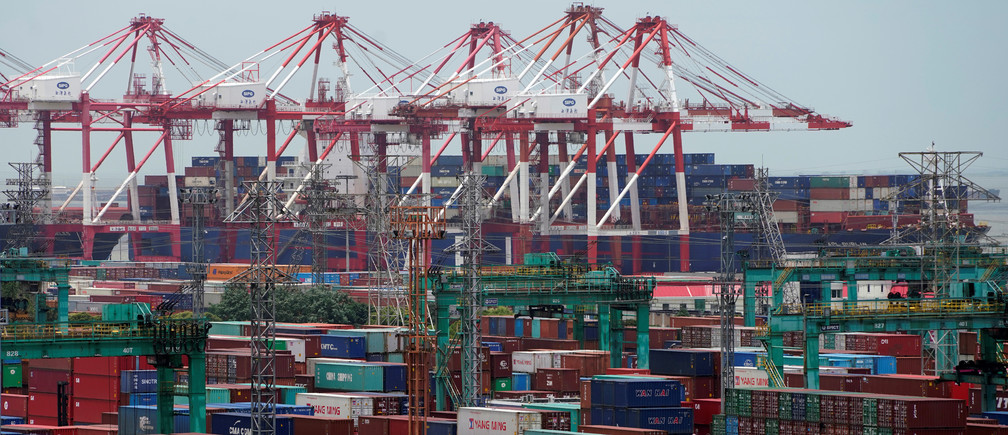
Trade disruptions, debt vulnerabilities and a limited scope for monetary policy maneuvers threaten a slew of African economies as the coronavirus pandemic arrives on the continent.
![]()
![]()