

It’s a hot topic everywhere, and the 2020 Global Farmer Network Roundtable class has been discussing the impacts local to them – with each other – on social media. Stories vary around the world.








It’s a hot topic everywhere, and the 2020 Global Farmer Network Roundtable class has been discussing the impacts local to them – with each other – on social media. Stories vary around the world.

With COVID-19 infections now evident in 176 countries, the pandemic is the most significant threat to humanity since the second world war. Then, as now, confidence in international cooperation and institutions plumbed new lows.

As the world keeps on dealing with the COVID-19 situation, the UN has come out with a warning that the measures taken against the virus could cause global food shortages. More locally, in the US, apple retail sales get a boost and British officials ask their citizens to help pick fruit and vegetables.
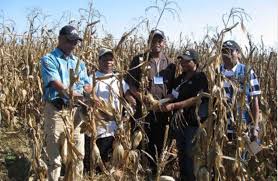
The dwindling agrarian and small farming communities around the world have certainly not had it easy during the last 50 years or so. The lure of urban life and salaried jobs along with the increasing corporatization of agriculture across the world which essentially made small, family farms unprofitable are just two of the many factors that have contributed to the vanishing of many small communities.

The world's top ten crops - barley, cassava, maize, oil palm, rapeseed, rice, sorghum, soya bean, sugarcane and wheat - supply a combined 83% of all calories produced on cropland.
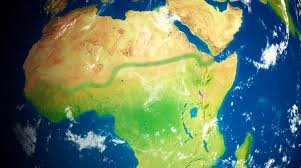
The early rains have failed this year amidst a multi-year drought in Mozambique, Zimbabwe and Zambia, leaving the countries at risk of a major food crisis. While the region has a track record of similar weather conditions over the past 140 years, is it possible that this looming disaster could be ascribed – at least in part – to climate change?
