

The abrupt collapse of tourism due to the coronavirus pandemic has again highlighted the inadequacy of resources for conservation in Africa.








The abrupt collapse of tourism due to the coronavirus pandemic has again highlighted the inadequacy of resources for conservation in Africa.

From Angola to Zimbabwe, Southern Africa’s fragile economies are rattled by the coronavirus pandemic. Countries in the region have declared states of emergency and imposed lockdowns, shutting borders, sea ports and reducing daily business activity in order to curb the spread of the virus and protect vulnerable communities.
Every day, our inbox buzzes with alerts from an unfolding crisis. The reports—heralding a humanitarian crisis and giving voice to increasing desperation among those that we serve—are alarming. And with the COVID-19 pandemic, the situation is likely to worsen still.
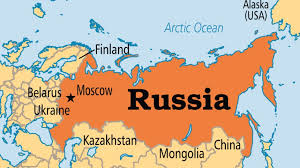
Russia, Ukraine and Kazakhstan are turning to policy described as “food nationalism” — protecting their domestic grain markets amid the coronavirus (COVID-19) pandemic, including major grain export restrictions, a highly concerning development for countries dependent on their grain supplies.
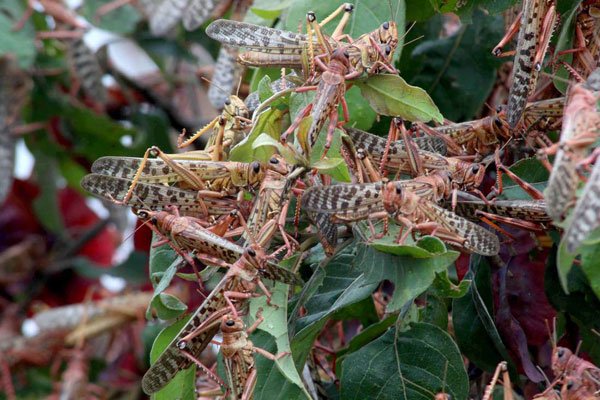
Massive swarms of locusts are sweeping across South Asia, the Middle East and the Horn of Africa. The current outbreak is the worst in recent decades.
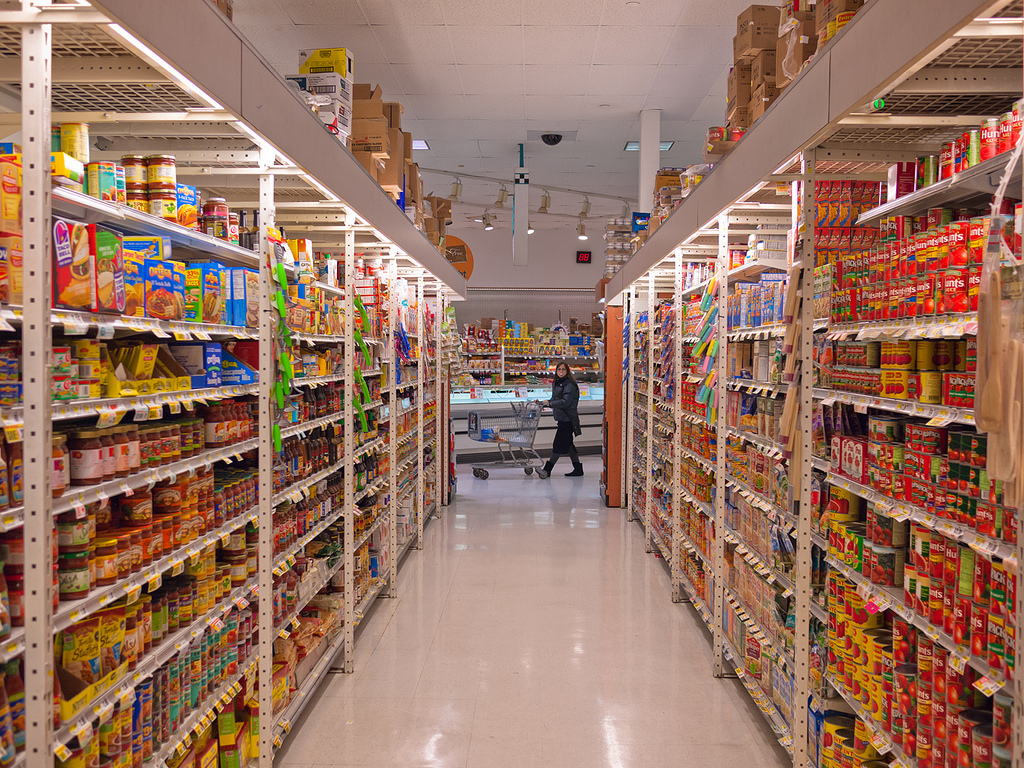
The coronavirus pandemic has laid many things bare, none more so than how interconnected our world is. The impact of globalization is most obvious in the stuttering supply chains that threaten food security worldwide. Maintaining or reweaving these webs is going to take technology, innovation and political determination.
